The Disease
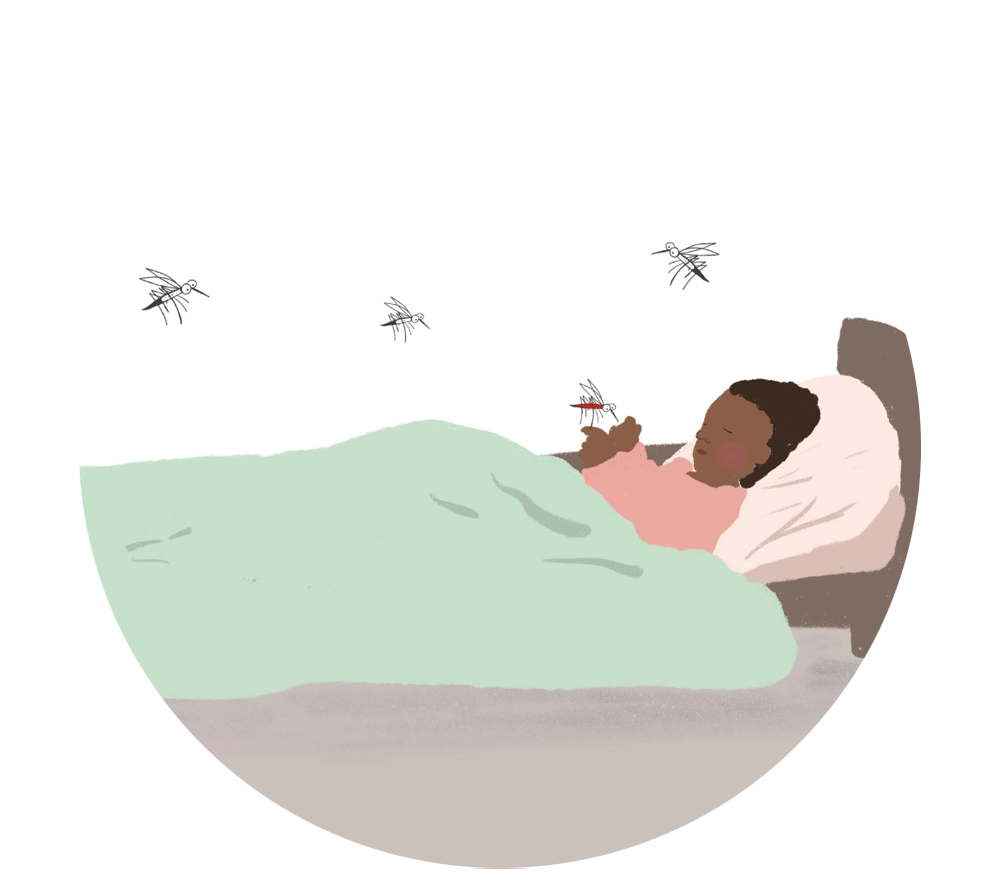
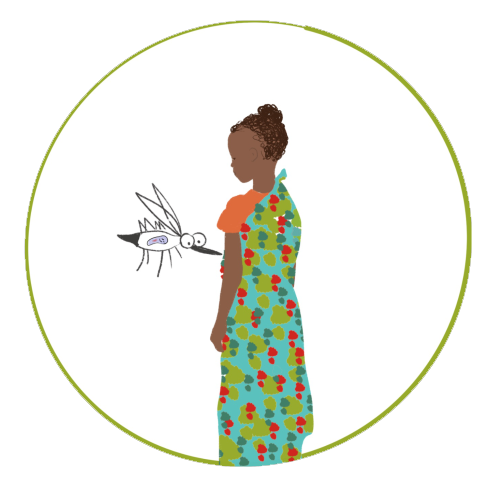
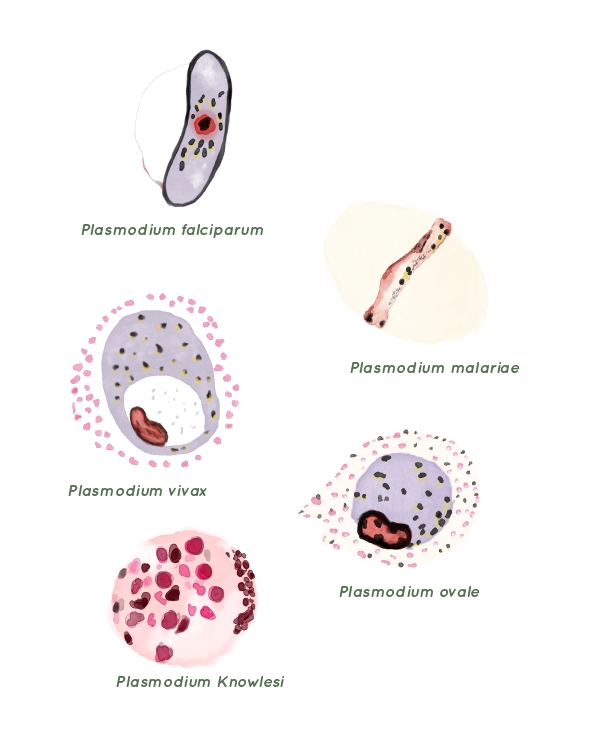
Malaria, also known as Paludism, is an infectious disease caused by parasites of the genus Plasmodium and is transmitted by a vector, the infected female Anopheles mosquito. There are several types of Plasmodium, some cause uncomplicated symptoms, and others can cause very severe symptoms.
Symptoms
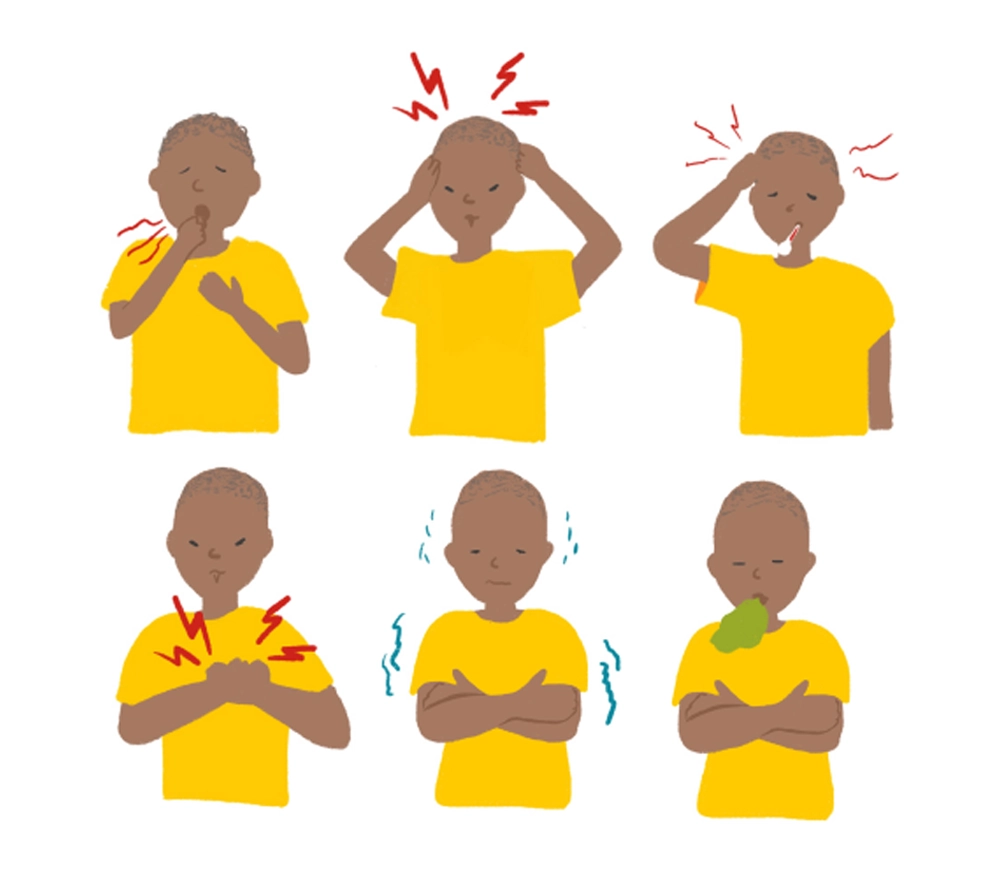
A person with Malaria may have no symptoms, may feel a little unwell and have some, or may feel very unwell and have several symptoms caused by the substances and toxins that the parasite accumulates in the person's blood. From the mosquito bite, it can take between 1 week to 1 month for the first symptoms to appear, depending on the parasite species. With P. falciparum , symptoms appear early and it is responsible for more than 99.9% of lethal episodes.
Healthcare workers may physically find:
- Enlarged spleen.
- Enlarged liver.
And in laboratory tests:
- Hiperparasitemia.
- Hypoglycemia.
- Anemia (can be severe if recurrent infections occur).
Consequences that individuals may suffer:
People, especially children, may experience neurological defects: difficulty in movement, difficulty in speaking, deafness, blindness. Multiple organ failure in adults.
Mood disorders:
- Discrimination.
- Isolation.
- Feeling unmotivated.
- Difficulty in self-care.
- Lack of energy to take care of the family.
- Lack of energy to take care of the house.
- Dropping out of school or work.
- Poverty.
- Depression.
Causes
Malaria is an infectious disease caused by parasites of the genus Plasmodium and transmitted by the infected female Anopheles mosquito. However, some causes contribute to the increase and resurgence of this disease:
- Lack of education.
- Poor hygiene (of individuals, clothing, and houses).
- Poor nutrition.
- Weak immune system.
- Human displacement.
- Self-diagnosis.
- Lack of treatments, incorrect treatments, or incomplete treatments.
- Genetic mutations in the parasite and mosquito make them more resistant.
- Deforestation.
- Environmental changes.
- Climate change.
Transmission
A healthy Anopheles mosquito becomes infected by biting people sick with Malaria.
The infected Anopheles mosquito transmits the disease when it bites other healthy people.