
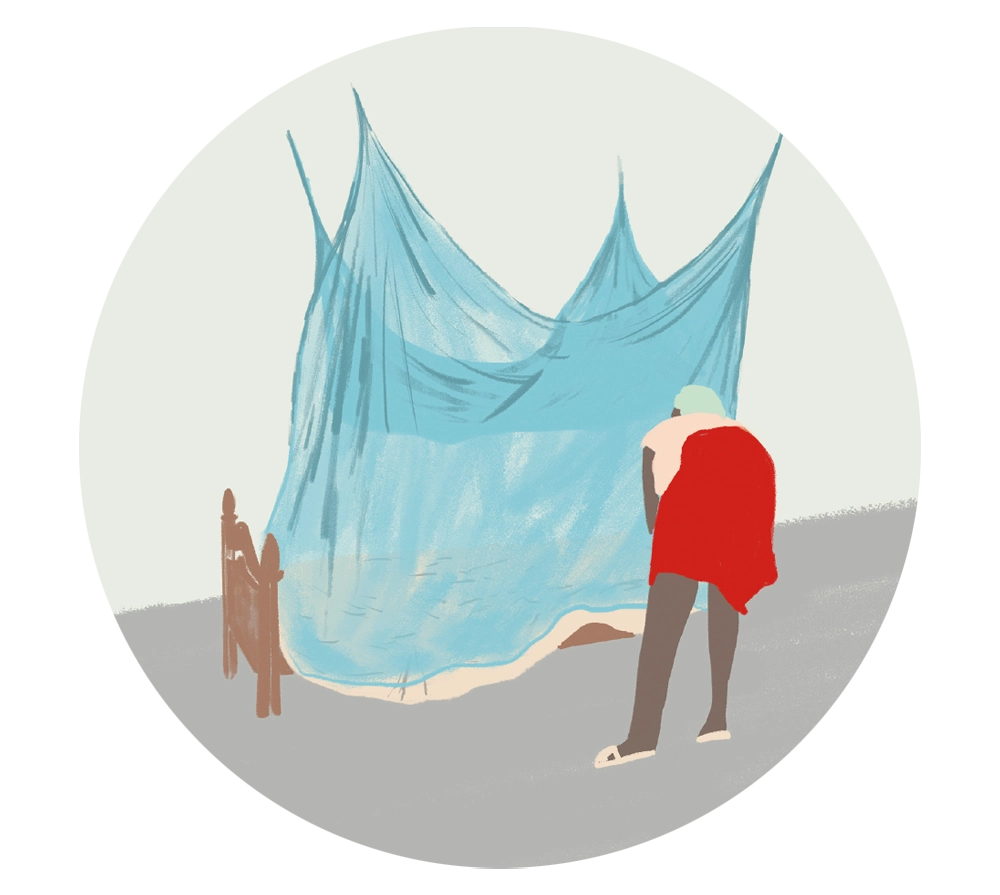
Prevention
• Take care of personal hygiene.
• Take care of clothing hygiene.
• Take care of household hygiene, both indoors and outdoors.
• Cover up with clothing when bathing outdoors.
Cover arms and legs with clothing when playing or working outdoors.
• Eliminate breeding grounds, puddles, stagnant water, etc.
• Avoid going out at dusk and dawn.
• Use repellent suitable for the local environment. For example, lemon is used in Latin America.
• Use approved insecticide spray inside homes.
• Use mesh screens on windows and mesh curtains on doors.
• Sleep under mosquito nets.
• Take seasonal preventive medication (under medical surveillance).
• Get vaccinated in countries with vaccination programs.
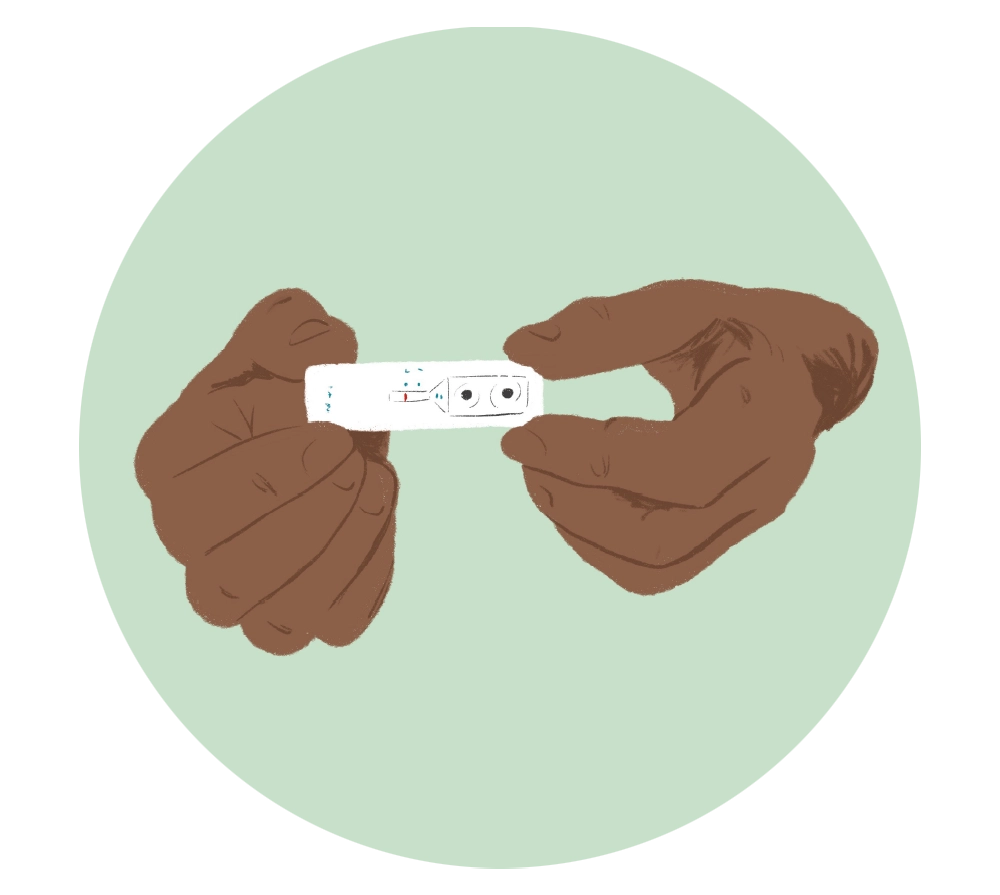
Detecting
• Choose the program leader to eliminate Malaria from a community.
• Inform my family of my symptoms.
• Inform the program leader of the symptoms.
• Register the name of the patient and locate their house on the community map.
• Guide the patient.
• Provide rapid Malaria diagnostic tests (RDT).
• Confirm within the first 24 hours with parasitological methods.
• Facilitate access to health centres or mobile clinics.
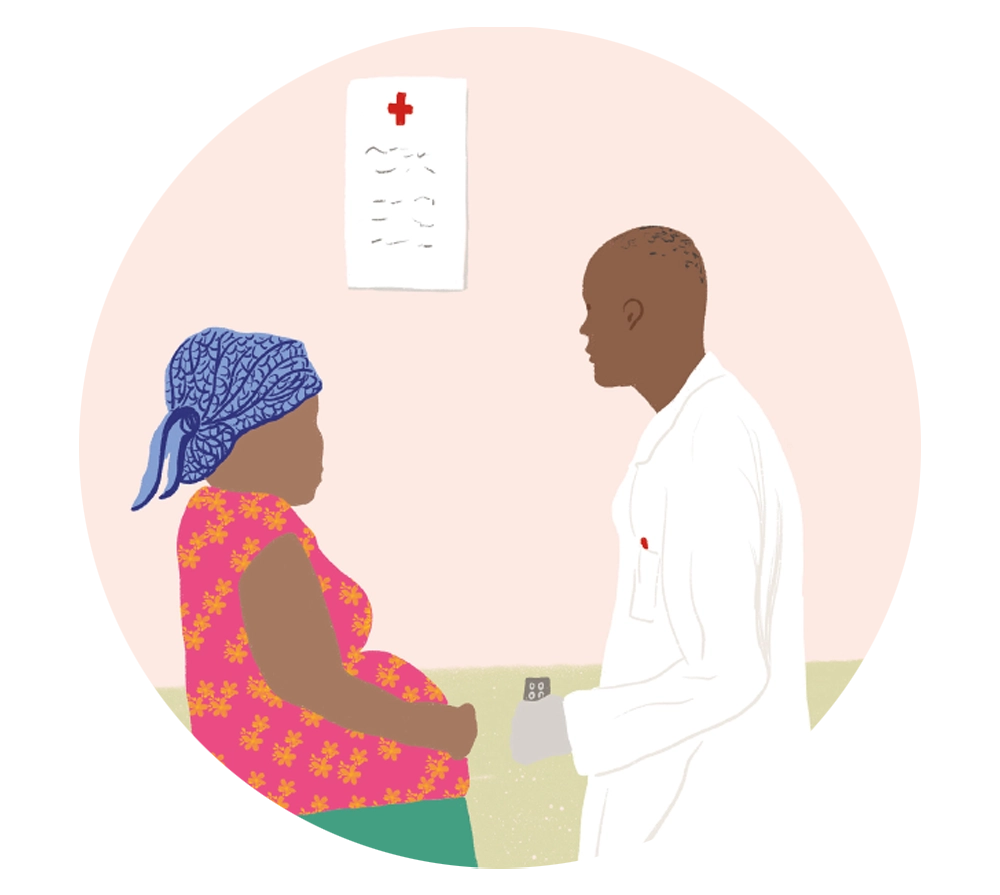
Treatment
• Take the appropriate treatment for each area and for each person, such as infants under 6 months, children, adults, pregnant women, and individuals with other illnesses.
• Follow the recommendations of the WHO and the guidelines of each country, under medical discretion.
• Explain the possible side effects such as stomach pain or vomiting.
• Explain the importance of completing the full treatment.
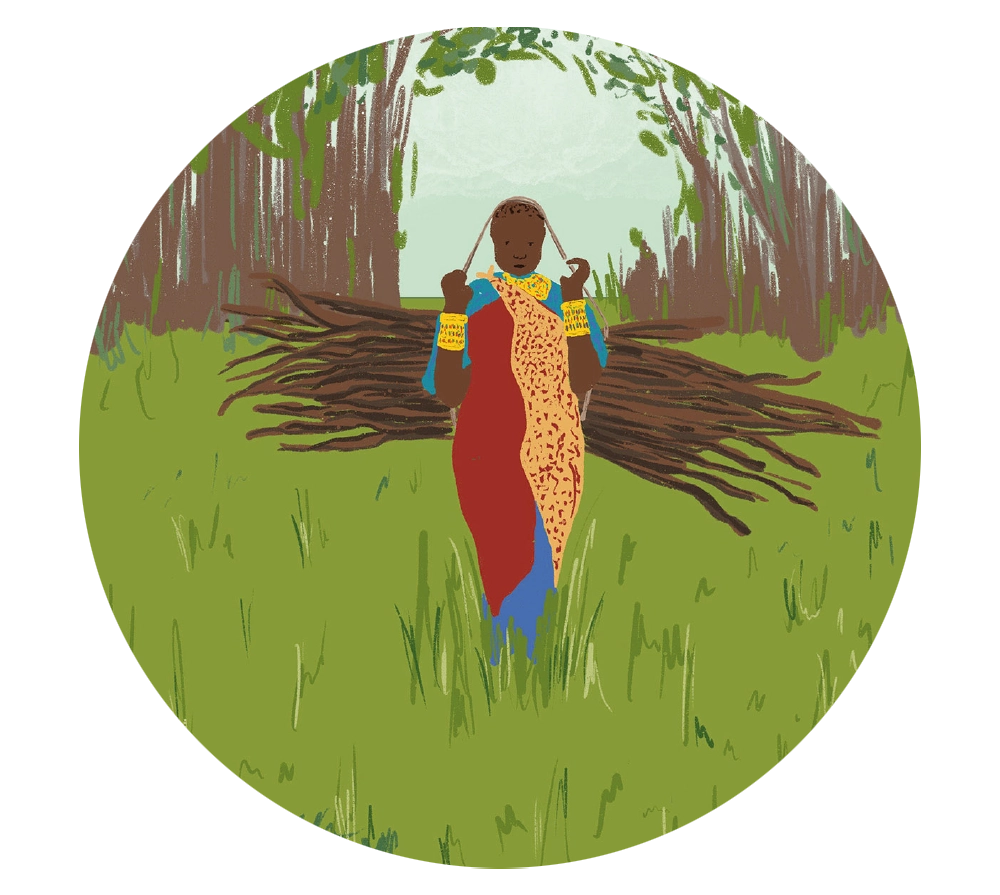
Recovery
• Malaria causes hemolytic anemia.
• The WHO recommends getting a hemoglobin test when undergoing malaria diagnostic testing.
• Risk factors that favor severe anemia: recurrent infections, poor nutrition, low weight and rickets, HIV co-infections, bacteremia, and intestinal worms that alter iron metabolism.
• Strengthen the immune system with nutrients: iron, vitamin B12, folic acid, vitamin A, zinc, vitamin C.
• Adequate nutrition, using local ingredients, to restore acceptable iron levels.
• Hydration: oral and intravenous fluids.
• Support from healthcare personnel with medications and assistance.
Who is at risk?
Anyone who is bitten by a mosquito infected with the parasite.
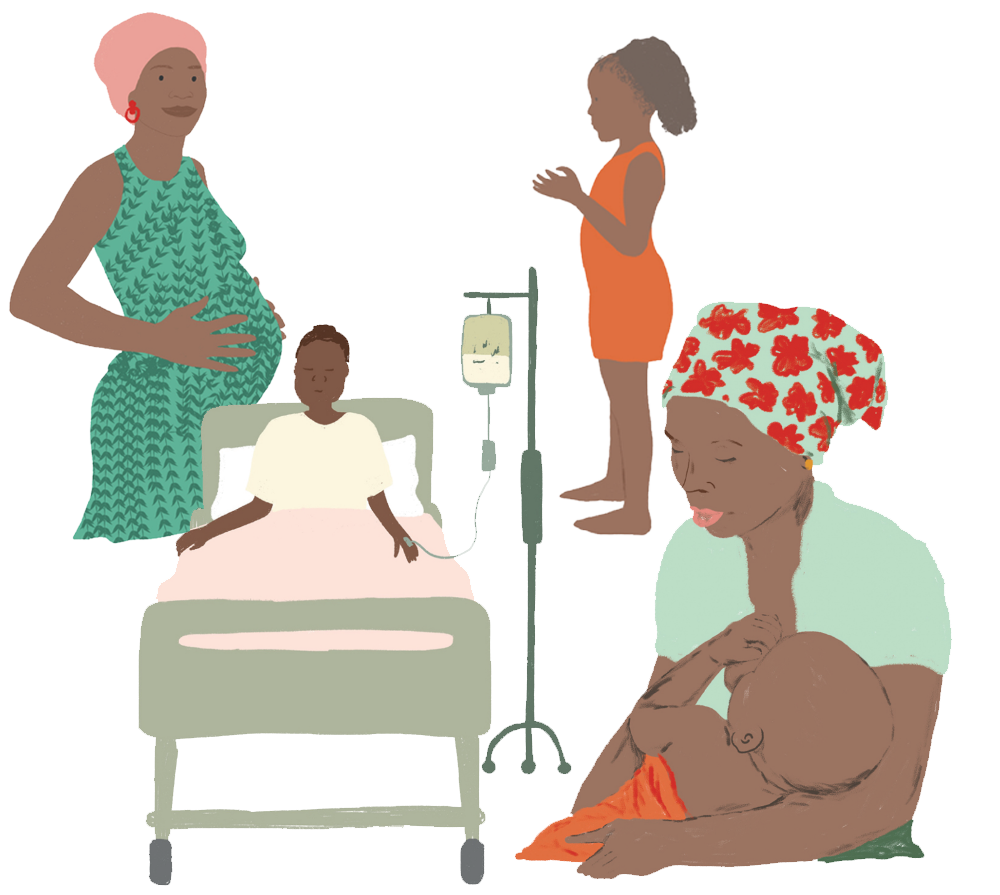
Who is at higher risk of developing severe forms of the illness?
- Babies.
- Children under 5 years old.
- Pregnant women.
- People with HIV, tuberculosis, and other diseases.
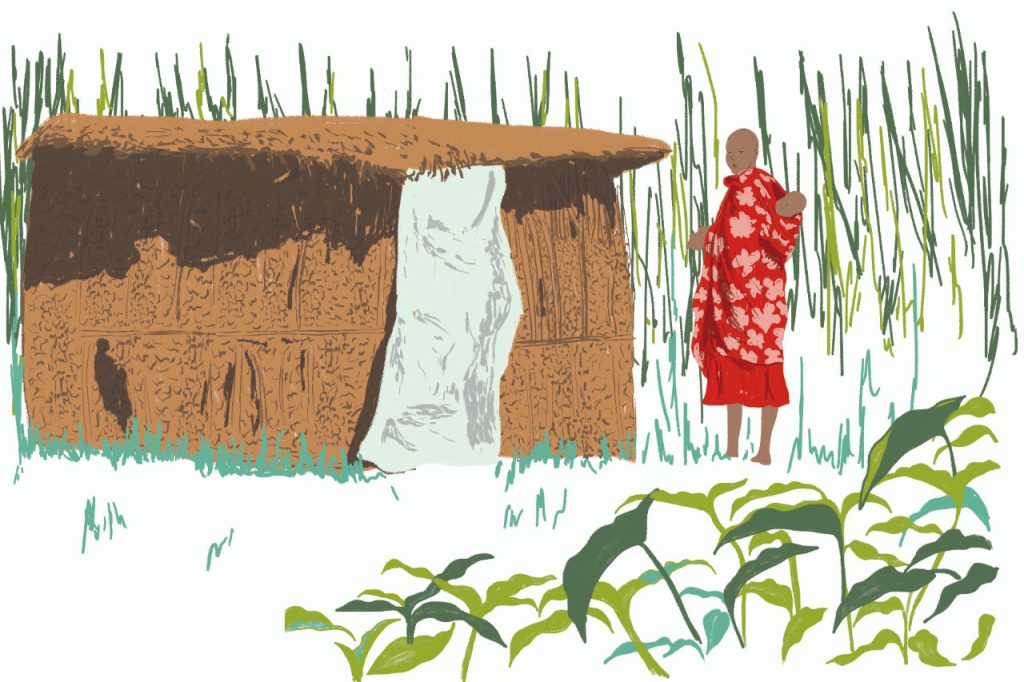
- Individuals living in rural areas with limited access to healthcare centres.
Key factors for countries that have eliminated or eradicated Malaria, such as China:
- Government support.
- Development of a national health service action plan.
- Inclusion of Malaria education in the school curriculum.
- Poverty reduction.
- Improved access to healthcare centres.
- Monitoring and evaluating progress.
- Availability of artemisinin-based medicines.
- Availability of insecticide-treated bed nets.
- Availability of diagnostic tests.
- Cooperation and collaboration between bordering communities.