At Mission Malaria, 2025 has been a year of progress towards a world free of malaria.
With over 1,500 lives positively impacted through fieldwork, we close this year with gratitude and hope, ready to continue building healthier, malaria-free communities in 2026.
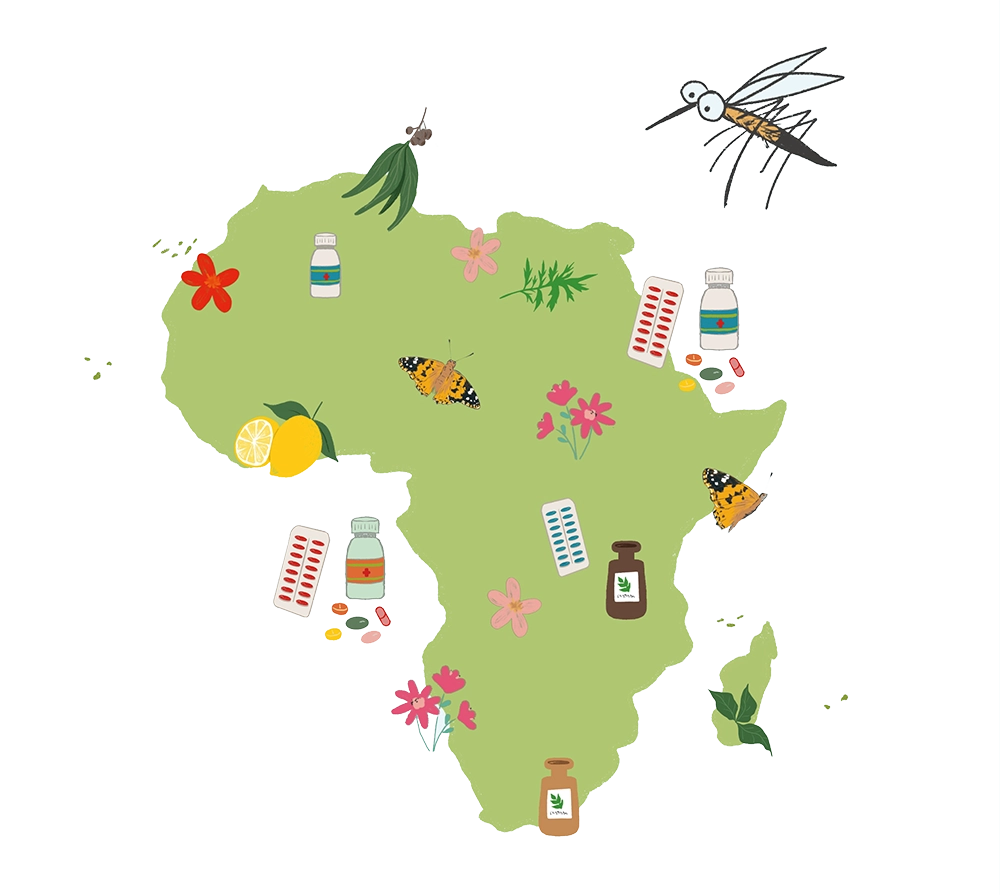
where there are 1.3 billion people and 45 countries where Malaria is endemic.
More than half a million people die each year
from a re-emerging disease that can be prevented.
90% of deaths occur in Africa
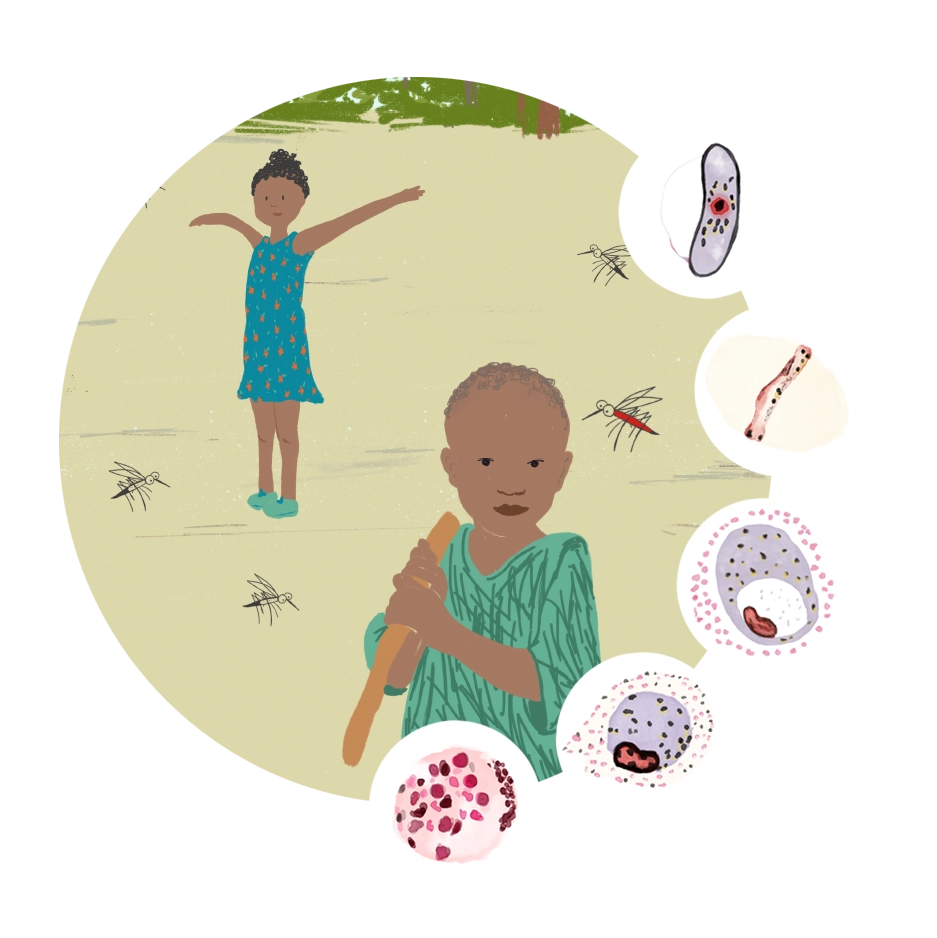
mostly children.
Groups at higher risk
include infants, children under 5 years old, pregnant women, people with autoimmune diseases, people in rural areas with difficult access to health centres, displaced persons, and travelers.
Every 45 seconds, a child dies from Malaria in the world.
Reference from top to bottom: Plasmodium falciparum, Plasmodium malariae, Plasmodium vivax, Plasmodium ovale, Plasmodium knowlesi
About the Disease
Malaria, also known as Paludism, is an infectious disease of zoonotic origin caused by a parasite of the genus Plasmodium. The parasite enters the human body through a bite of an infected female Anopheles mosquito.
It feeds on blood to obtain proteins and form eggs.
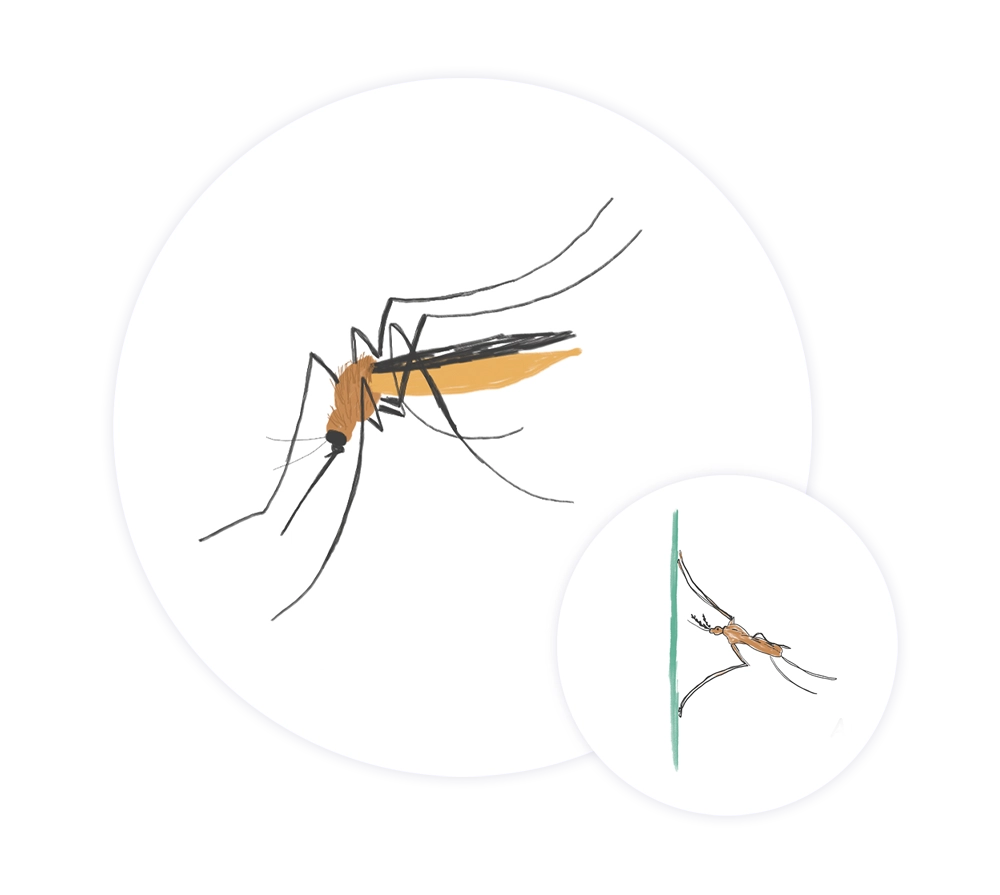
Anopheles can be distinguished by its resting position with the abdomen upwards, to digest after biting.
A healthy mosquito becomes infected by biting people sick with Malaria.
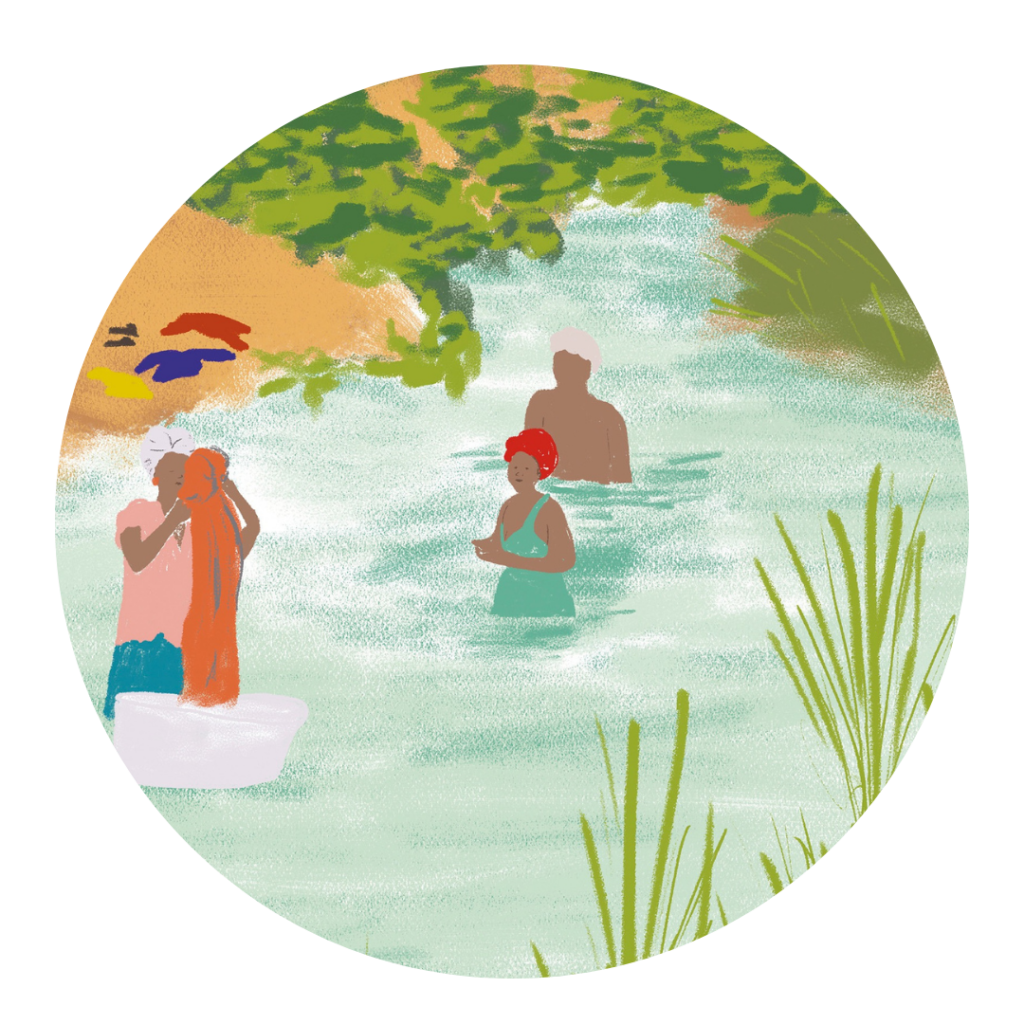
They live in breeding grounds, lakes, rivers, swamps, puddles, agricultural ditches, waterlogged footprints, buckets of water, stagnant water, indoor and outdoor household waste, and wells.
They bite more frequently between dusk and nightfall.
The WHO defines Malaria elimination as the interruption of local transmission of a specified malaria parasite species in a defined geographical area as a result of deliberate activities, and it says that continued measures to prevent re-establishment of transmission are required.
The WHO defines Malaria eradication as the permanent reduction to zero of the worldwide incidence of infection caused by human malaria parasites as a result of deliberate efforts; it also says that once eradication has been achieved, intervention measures would no longer be needed.
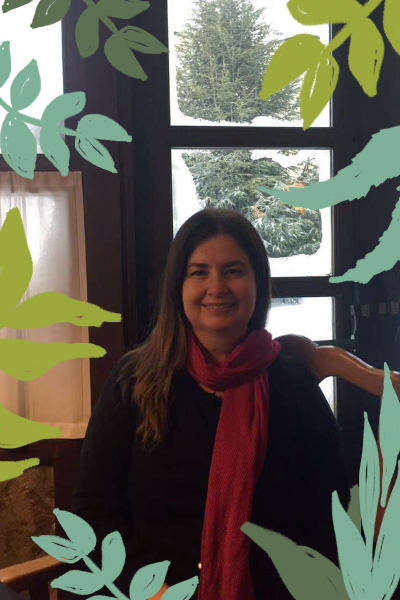
Carmen has a background in Archaeology and Biology. She specializes in infectious diseases, choosing for her final project the genetic evolution of the Malaria-causing parasite Plasmodium falciparum. In 2016, she began allocating a percentage of her income and savings to acquire mosquito nets and medications and deliver them to various communities in Africa. In 2021, she completed a Master's in Entrepreneurship, taking the first steps to found Mission Malaria, applying XXI century tools to reach more people and provide more sustainable value.